
black toughened glass price
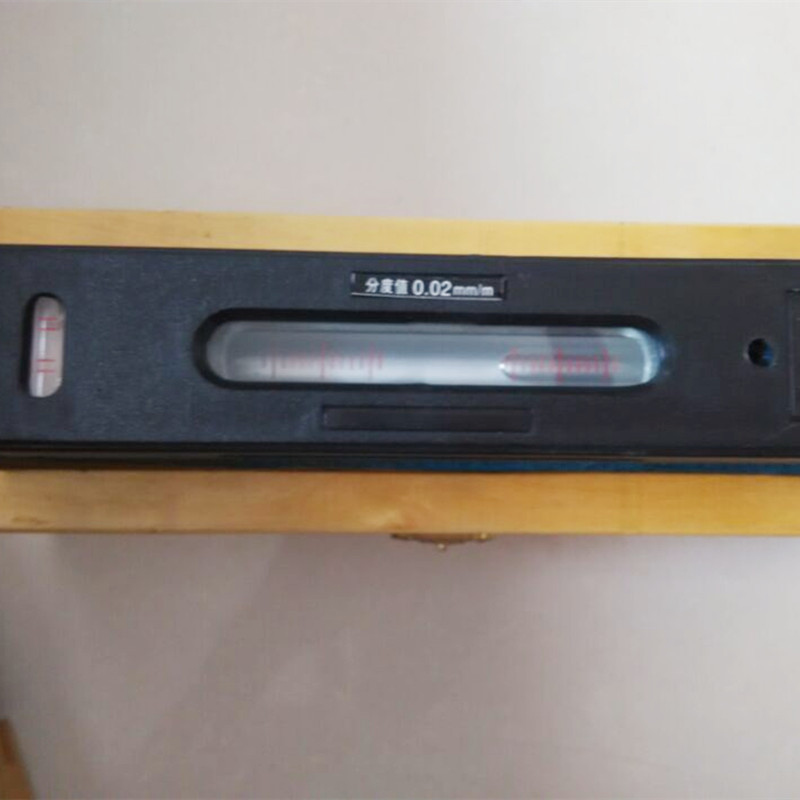
Precision Spirit Level Measuring with Confidence to 0.01 mm/m In the world of construction, engineering, and craftsmanship, precision is not just a luxury; it's a necessity. One of the indispensable tools that enables professionals to achieve unparalleled accuracy is the precision spirit level. Specifically, a precision spirit level with an accuracy of 0.01 mm/m represents the pinnacle of precision measurement instruments, and it plays a crucial role in various applications. Why Precision Matters Accuracy in measurements is paramount for several reasons. In construction, for instance, slight deviations can lead to structural failures or significant functional issues. When building homes, bridges, or other structures, even a minor miscalculation can result in misalignment, leading to safety hazards. Engineers and builders, therefore, require tools that offer remarkable precision to ensure that every part of a structure is aligned correctly. Understanding the Precision Spirit Level A precision spirit level is a calibrated tool featuring one or more liquid-filled vials, which contains a small bubble. When the level is placed on a surface, the bubble moves within the vial to indicate alignment. For levels with a sensitivity of 0.01 mm/m, the bubble’s position allows users to assess the flatness or alignment of the surface with exceptional accuracy. This level of precision is particularly valuable in environments where even the smallest imperfections can have significant repercussions. Applications of Precision Spirit Levels 1. Construction and Architecture In the construction of high-rise buildings or intricate architectural designs, precision spirit levels assist architects and builders in achieving the correct angles and alignments. They are essential when installing beams, walls, and flooring to ensure that everything is perfectly level, allowing for aesthetic appeal and structural integrity. precision spirit level 0.01 mm m 2. Machinery and Equipment Installation The assembly and alignment of machinery often require high precision. A 0. 01 mm/m spirit level ensures that machines are installed accurately, promoting efficiency and reducing wear during operation . When machinery runs on a level surface, it functions better and lasts longer. 3. Furniture Making Woodworking is an art that demands precision. Craftsmen utilize precision spirit levels to align furniture components accurately. Whether creating a simple chair or an intricate cabinet, the level ensures that pieces fit together without unwanted gaps or misalignments. 4. Scientific Research In laboratories and research facilities, precision spirit levels are utilized to calibrate instruments and ensure that experiments are conducted on level surfaces. This accuracy is critical, especially when working with sensitive equipment that may be affected by minor inclinations. 5. Home Improvement Projects DIY enthusiasts also benefit from the use of precision spirit levels. Whether hanging a picture frame or installing shelves, using a tool with such fine precision helps achieve professional-looking results, eliminating the frustration of crooked installations. Choosing the Right Precision Spirit Level When selecting a precision spirit level with a sensitivity of 0.01 mm/m, consider several factors, including the length of the level, the material it is made from, and its design. Longer levels generally provide more accuracy, especially over larger distances, while levels made from durable materials ensure longevity. Additionally, a well-designed level with clear vial markings makes it easier for users to read measurements quickly and accurately. Conclusion In conclusion, the precision spirit level with an accuracy of 0.01 mm/m stands as a testament to human ingenuity in the pursuit of perfection. It empowers professionals across various fields to achieve precise measurements that are vital for the integrity and aesthetic appeal of structures, machinery, and products. Investing in a high-quality precision spirit level not only enhances the quality of work but also assures confidence in the measured results. Whether you are a seasoned engineer, a dedicated craftsman, or a DIY enthusiast, embracing precision in measurement tools will undoubtedly elevate your work to new heights.
about
black toughened glass price
Reemplazo de Válvulas de Agua Una Guía Completa El agua es un recurso vital en nuestras vidas, y cualquier interrupción en su suministro puede causar serios inconvenientes. Las válvulas de agua son componentes claves en sistemas de plomería, ya que controlan el flujo y la presión del agua. Con el tiempo, estas válvulas pueden desgastarse o dañarse, lo que podría llevar a fugas o fallos en el sistema. Por eso, es fundamental conocer cuándo y cómo realizar el reemplazo de una válvula de agua. ¿Cuándo Reemplazar una Válvula de Agua? Existen varios signos que indican que una válvula de agua necesita ser reemplazada. Uno de los más evidentes es la presencia de fugas. Si notas que hay agua goteando alrededor de la válvula o en la tubería, es probable que la válvula esté dañada. También, si la válvula no cierra correctamente, permitiendo que el agua siga fluyendo cuando debería estar apagada, es una señal de que es tiempo de un cambio. Otros indicadores pueden incluir corrosión visible en la válvula o dificultad para girar el mando. Pasos para Reemplazar una Válvula de Agua 1. Cierre el Suministro de Agua Antes de realizar cualquier trabajo, asegúrate de cerrar la fuente de agua principal. Esto evitará inundaciones y otras complicaciones. 2. Drena el Agua Restante Abre los grifos conectados a la válvula que vas a reemplazar para permitir que el agua residual se drene. Esto facilita el proceso y reduce el desorden. water valve replacement 3. Retira la Válvula Antigua Usa una llave inglesa para aflojar las tuercas que sujetan la válvula en su lugar. Puede que necesites un poco de esfuerzo si la válvula ha estado instalada por mucho tiempo. Una vez suelta, retira la válvula con cuidado. 4. Limpia las Superficies Antes de instalar la nueva válvula, limpia las superficies de los tubos para asegurarte de que no haya restos de residuos o sellador que puedan causar problemas en el nuevo montaje. 5. Instala la Nueva Válvula Coloca la nueva válvula en su lugar y asegúrate de que esté orientada correctamente. Vuelve a apretar las tuercas con la llave inglesa, pero evita apretarlas demasiado, ya que esto puede dañarlas. 6. Reabre el Suministro de Agua Después de haber instalado la nueva válvula, abre lentamente la fuente de agua y revisa si hay fugas. Si todo está en orden, puedes cerrar los grifos que abriste anteriormente. Mantenimiento Preventivo Para asegurar la longevidad de tus válvulas de agua, es recomendable realizar un mantenimiento preventivo regular. Verifica periódicamente si hay signos de desgaste y realiza pruebas de fugas. Un chequeo anual puede ahorrarte muchos problemas a largo plazo. En conclusión, el reemplazo de válvulas de agua es una tarea esencial que no debe ser ignorada. Con un poco de conocimiento y las herramientas adecuadas, cualquiera puede llevar a cabo esta tarea de manera segura y eficaz. Recuerda siempre priorizar la seguridad y, si sientes que el trabajo es complicado, no dudes en llamar a un profesional.
-

High quality industrial productsagement

High quality industrial products
View Details -

Meet the diverse needs of customers

Meet the diverse needs of customers
View Details -

Strict quality control

Strict quality control
View Details -

Top raw materials

Top raw materials
View Details -

Trusted supplier

Trusted supplier
View Details
Our application

news and information
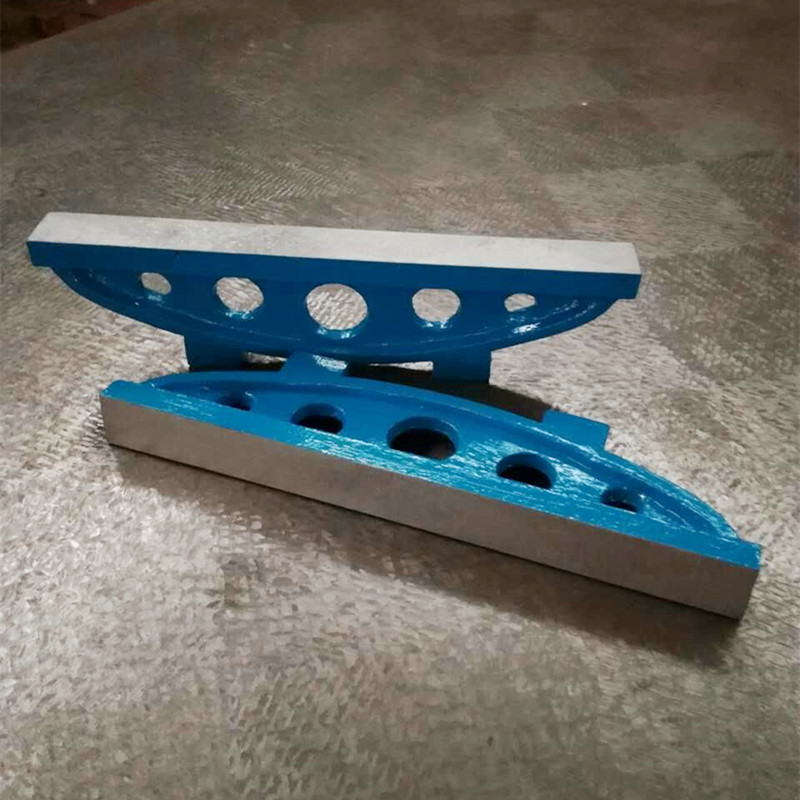
v block v block
Understanding V Block A Fundamental Tool in Manufacturing and Engineering In the world of manufactur
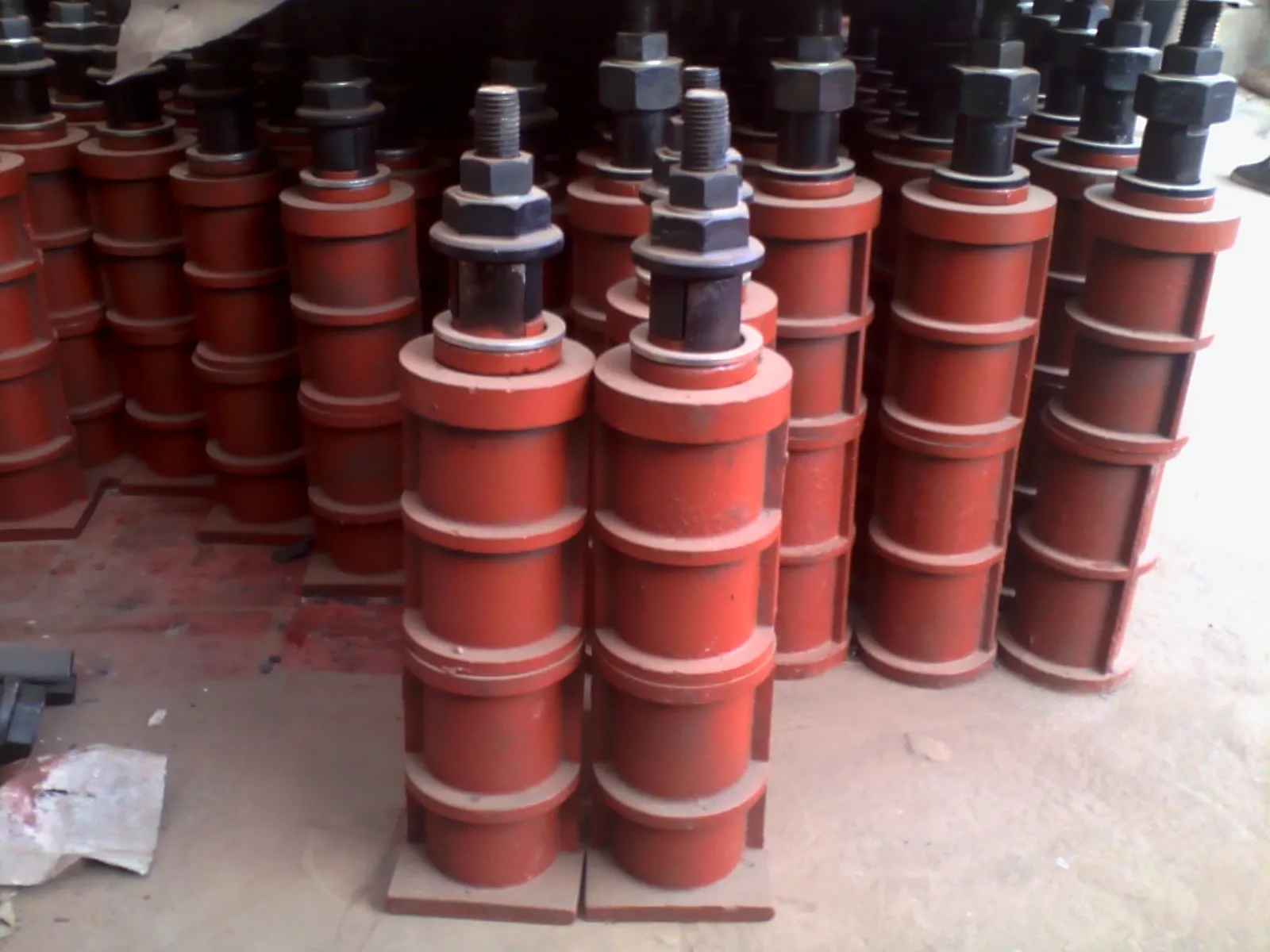
Water Percentage Cut-Off Valve for Efficient Flow Control Systems
Understanding Water Cut-Off Valves An Essential Component in Fluid Management Water cut-off valves a
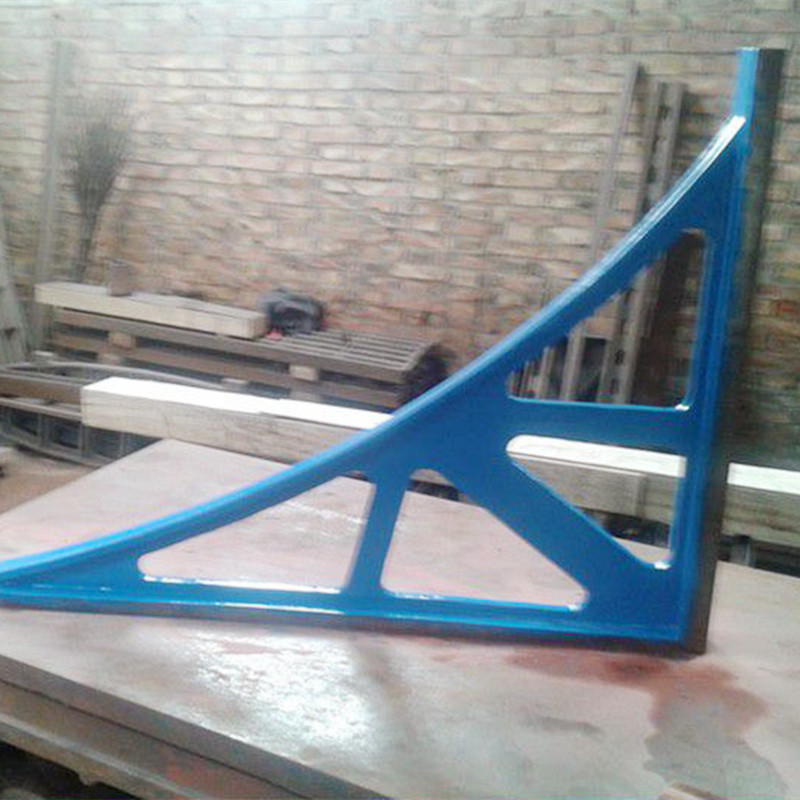
Van nước mở hoặc đóng
Van nước Bật hay Tắt? Trong cuộc sống hàng ngày, van nước đóng vai trò cực kỳ quan trọng. Chúng khôn
 English